

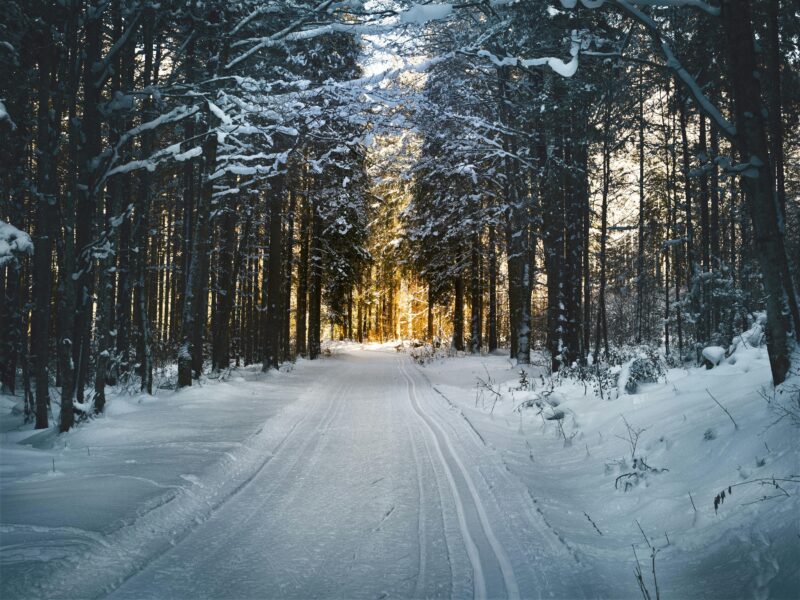

Srinagar, Dec 12: Kashmir continues to grapple with severe winter conditions as biting cold, deteriorating air quality and sharply declining water levels add to the seasonal woes of residents. With no major rain or snowfall predicted until the end of December, the Valley remains locked in an extended dry spell that has triggered environmental and health concerns.
According to the Meteorological Department, temperatures in Kashmir remained several degrees below freezing on Friday. Srinagar recorded –3.6°C, while Pahalgam plunged to –4.6°C and Gulmarg settled at 0°C.
In Jammu division, minimum temperatures were also lower than usual—Jammu city recorded 8.5°C, Katra 9.4°C, Batote 6.3°C, Banihal 4.2°C, and Bhaderwah 1.9°C.
Dry Spell Triggers Smog and Health Issues
The prolonged absence of precipitation has worsened air pollution levels across the Valley. In Srinagar and adjoining areas, suspended particulate matter (SPM) has mixed with low-lying fog, forming thick smog that has pushed the Air Quality Index (AQI) into the “poor” category.
Doctors report a surge in respiratory illnesses, especially among the elderly and patients with COPD and asthma. Pulmonologists have urged people to wear warm mufflers, face covers and layered clothing to limit exposure to cold, dust-laden air.
Water Bodies Shrink as Jhelum Nears Record Low
The dry spell has caused a significant drop in water levels across Kashmir’s rivers, lakes, wells and springs. The Jhelum River, the Valley’s main waterway, is running “almost at its bottom level”, impacting irrigation, drinking water sources and hydropower generation.
No Major Snowfall Expected Till Month-End
Director MeT Mukhtar Ahmad said no active Western Disturbances are expected to bring widespread rain or snow soon. “Only a couple of weak systems may cause isolated precipitation in higher reaches, but no major snowfall is likely until the end of December,” he said.
Kashmir now approaches ‘Chillai Kalan’, the harshest 40-day winter stretch beginning on December 21, marked by freezing temperatures, icy winds and partially frozen water bodies.
As the Valley braces for Chillai Kalan without its usual early winter snowfall, environmental stress and public health threats continue to intensify.