

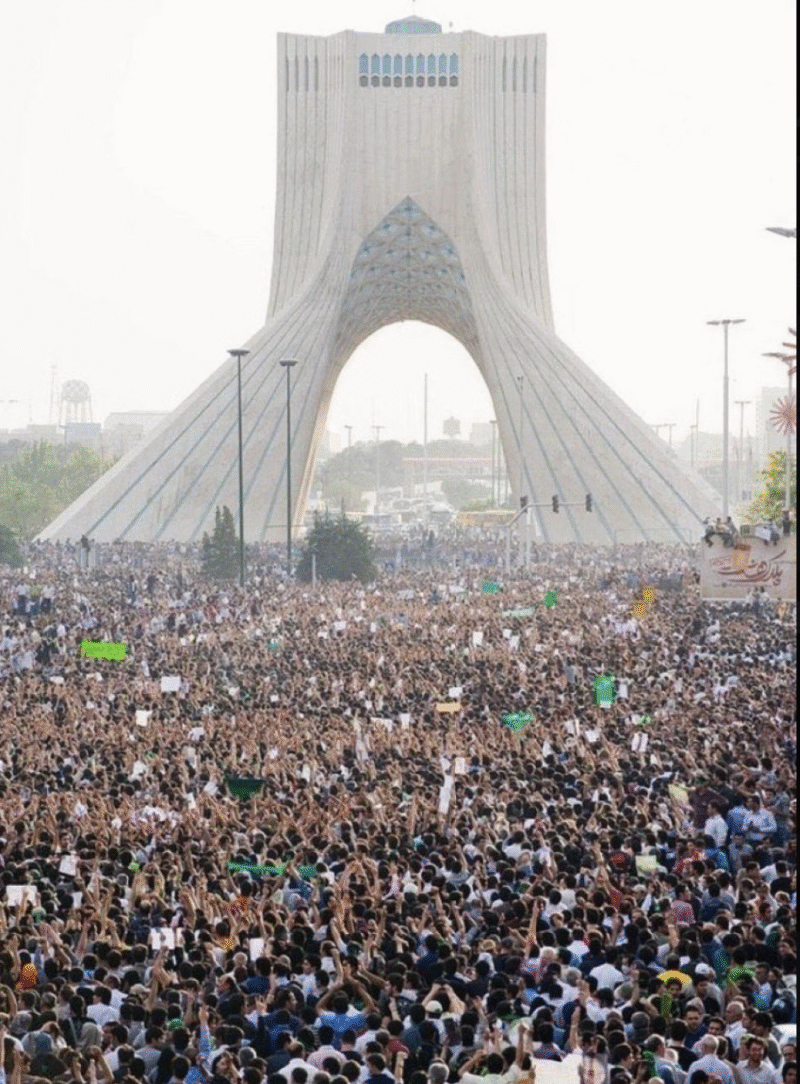

Fresh protests in Iran have once again drawn global attention to deep-seated economic, political and social grievances inside the Islamic Republic. According to reporting by Reuters, BBC, Al Jazeera, Arab News and The Guardian, the current unrest reflects a convergence of economic distress and long-running public anger over governance and civil liberties.
What triggered the latest Iran protests?
Western and regional media reports say the immediate trigger for the recent protests has been severe economic pressure, including rising inflation, currency depreciation and unemployment. Reuters and Arab News have reported that the continued impact of international sanctions, combined with domestic economic mismanagement, has sharply reduced purchasing power for ordinary Iranians.
Al Jazeera notes that shortages of basic goods, rising fuel prices and delays in wage payments have fuelled demonstrations in several cities, with protesters initially focusing on cost-of-living issues.
How did economic protests turn political?
While the protests began with economic demands, they quickly expanded into political dissent, a pattern seen repeatedly in Iran. According to BBC and Guardian analyses, slogans soon moved beyond prices and jobs to question broader issues such as corruption, lack of accountability and restrictions on personal freedoms.
The unrest also draws on unresolved anger from previous protest movements, including the “Woman, Life, Freedom”protests that followed the death of Mahsa Amini in police custody in 2022. Al Jazeera reports that many Iranians view the current protests as part of a longer struggle against repression rather than an isolated episode.
Government response: security crackdown and internet controls
Iranian authorities have responded with a heavy security presence, deploying police, Basij forces and Revolutionary Guards in protest-hit areas. Reuters and BBC report mass arrests and the use of force to disperse crowds, while Iranian state media has framed the protests as foreign-inspired unrest.
Multiple outlets, including Al Jazeera and The Guardian, have documented internet slowdowns and partial shutdowns, measures often used by Tehran to limit protest coordination and restrict the flow of information. Iranian journalists and civil society groups have criticised these blackouts as tools of repression.
What do Iranian sources say?
Iranian state-aligned media have largely downplayed the scale of protests, focusing instead on official assurances of stability. However, reformist Iranian outlets and activists, quoted by BBC Persian and Al Jazeera, acknowledge widespread frustration and warn that economic hardship is eroding public trust in institutions.
Human rights groups cited by Western media say restrictions on reporting make it difficult to independently verify casualty figures, but they warn of an increasing toll amid the crackdown.
International reaction
The protests have prompted international concern. Reuters reports that Western governments have warned Iran against the use of excessive force, while the United States and some European countries have imposed targeted sanctions on Iranian officials linked to human rights abuses.
Arab News notes that regional governments are closely watching developments, given Iran’s strategic role in the Middle East and the potential for instability to spill across borders.
Why the Iran protests matter
Analysts quoted by Al Jazeera and the Washington Post say the protests matter not because they signal immediate regime change, but because they highlight persistent structural crises—economic stagnation, political exclusion and generational anger.
Each wave of unrest, experts argue, chips away at the social contract between the state and citizens, even if the authorities retain firm control in the short term.
The bigger picture
In summary, the latest Iran protests are rooted in economic pain amplified by political frustration. While the government has relied on security measures and communication controls to contain dissent, Western and regional observers agree that the underlying causes—sanctions, mismanagement and demands for greater freedoms—remain unresolved.
As Al Jazeera notes, the key question is not whether protests will continue, but when and in what form they will resurface.