



Ottawa, May 22: The Canadian province of Alberta will hold a referendum later this year on whether it should remain part of Canada or move toward a future vote on separation, in what is being viewed as the country’s most significant national unity challenge in decades.
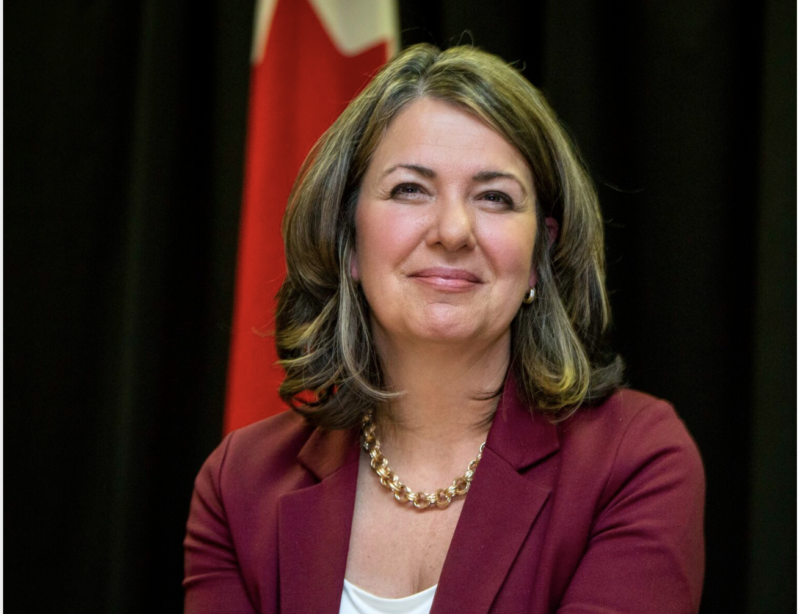
Alberta Premier Danielle Smith announced that the referendum will take place on October 19 following months of growing pressure from separatist groups and competing citizen-led petitions over the province’s political future.
The referendum question will ask Albertans whether the province should continue as part of Canada or begin the constitutional process required to eventually hold a binding provincial vote on separation.
In a televised address, Smith said she personally supports Alberta remaining within Canada and confirmed that her government would campaign against separation.
“That is how I would vote on separation in a provincial referendum,” she said, adding that it is also the official position of her government and caucus.
The announcement comes after a citizen-led petition supporting Alberta separation reportedly gathered more than 300,000 signatures earlier this year. Another petition calling for Alberta to remain within Canada attracted over 400,000 signatures.
The issue of Alberta independence has gained momentum in recent years amid longstanding frustration in the oil-rich western province over federal energy policies, resource management and perceived political neglect from Ottawa.
Many Albertans believe the province contributes significantly to Canada’s economy through its vast oil and gas reserves while receiving limited benefits in return. Critics of the federal government also argue that environmental and climate-related legislation has restricted Alberta’s energy sector and slowed economic growth.
While separatist sentiment has become more visible, recent opinion polls suggest that a majority of Albertans are still expected to vote against leaving Canada.
The referendum announcement also follows a recent court decision in Alberta that halted verification of signatures collected for a separation referendum petition. Indigenous First Nations groups had challenged the process, arguing they were not properly consulted and that their rights had been overlooked.
Smith criticized the court ruling, saying the voices of hundreds of thousands of Albertans should not be silenced.
“As Premier, I will not have a legal mistake by a single judge silence the voices of hundreds of thousands of Albertans,” she said. “Alberta’s future will be decided by Albertans, not the courts.”
Canada has previously faced major national unity crises, particularly in Quebec, which held two referendums on independence. The most recent vote in 1995 narrowly rejected separation by a margin of 50.58 percent to 49.22 percent.
Following the Quebec referendum experience, Canada introduced the Clarity Act, which outlines the legal framework for any future separation attempt. Under the law, any successful independence movement must demonstrate a “clear majority” through a clearly worded referendum question before negotiations with the federal government can begin.
Earlier this month, Canadian Prime Minister Mark Carney stated that any Alberta separation effort would have to comply fully with the Clarity Act and constitutional procedures.
Even if Alberta voters support the process in October, experts say any move toward independence would likely involve lengthy constitutional negotiations with the federal government and other provinces.
The growing separatist movement reflects broader political tensions between Alberta and Ottawa, particularly over energy policy, provincial autonomy and federal influence over natural resources.
Smith acknowledged these frustrations during her address, accusing the federal government of attempting to centralize power at the expense of provincial authority.
“I categorically reject Ottawa’s attempts to do so,” she said, while calling for greater provincial autonomy and reforms to strengthen national unity.
Despite rising tensions, the federal and Alberta governments have recently worked together on energy-related initiatives, including discussions on pipeline development and a new climate and energy agreement that could lead to construction of a major oil pipeline to the Pacific coast as early as next year.